Viscous Wall Dampers
A steel tank, an inner vane and a high-viscosity fluid reduce inter-story drift by more than 50%. Compact, maintenance-free, and architecturally flexible.
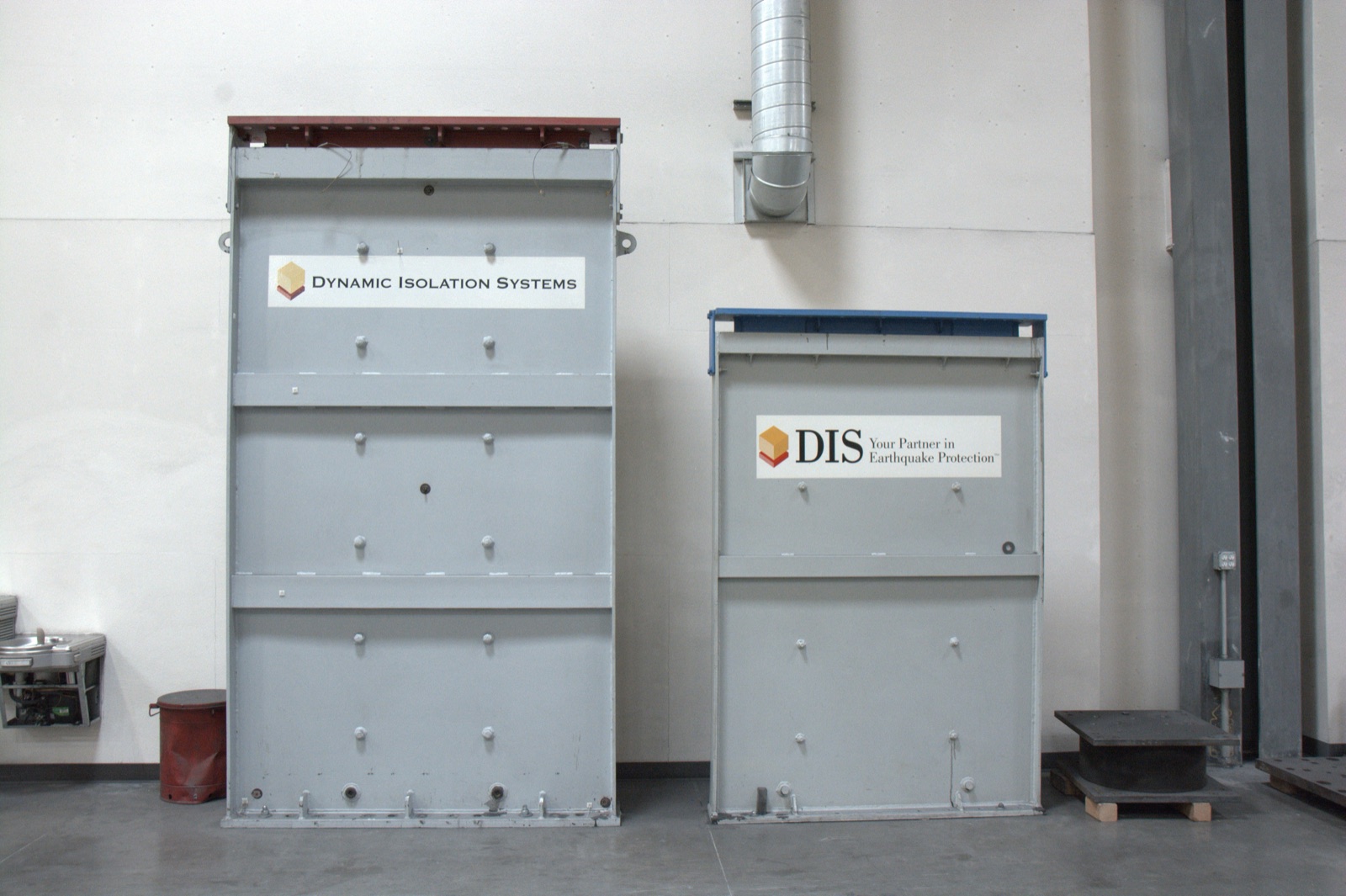
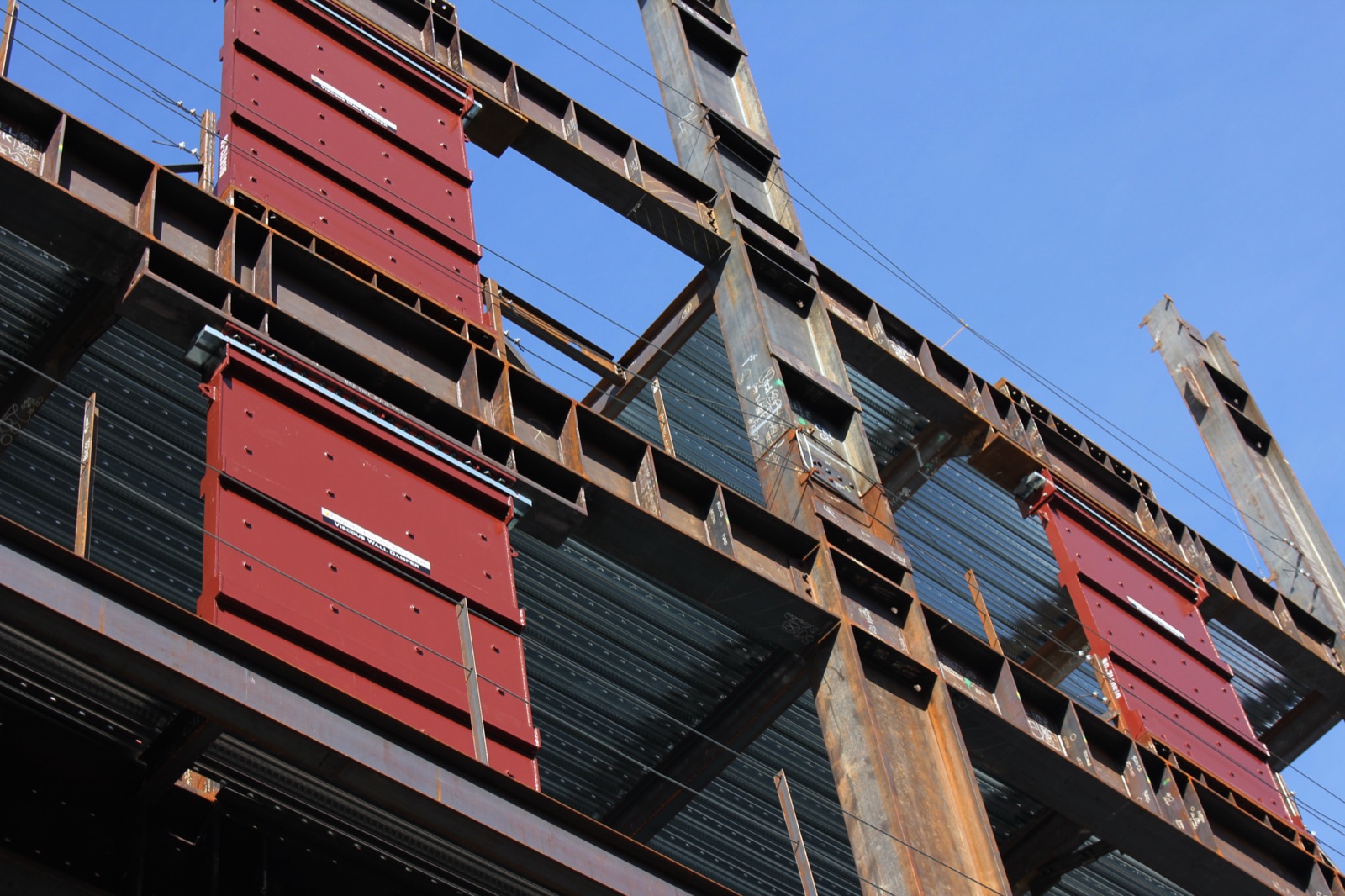
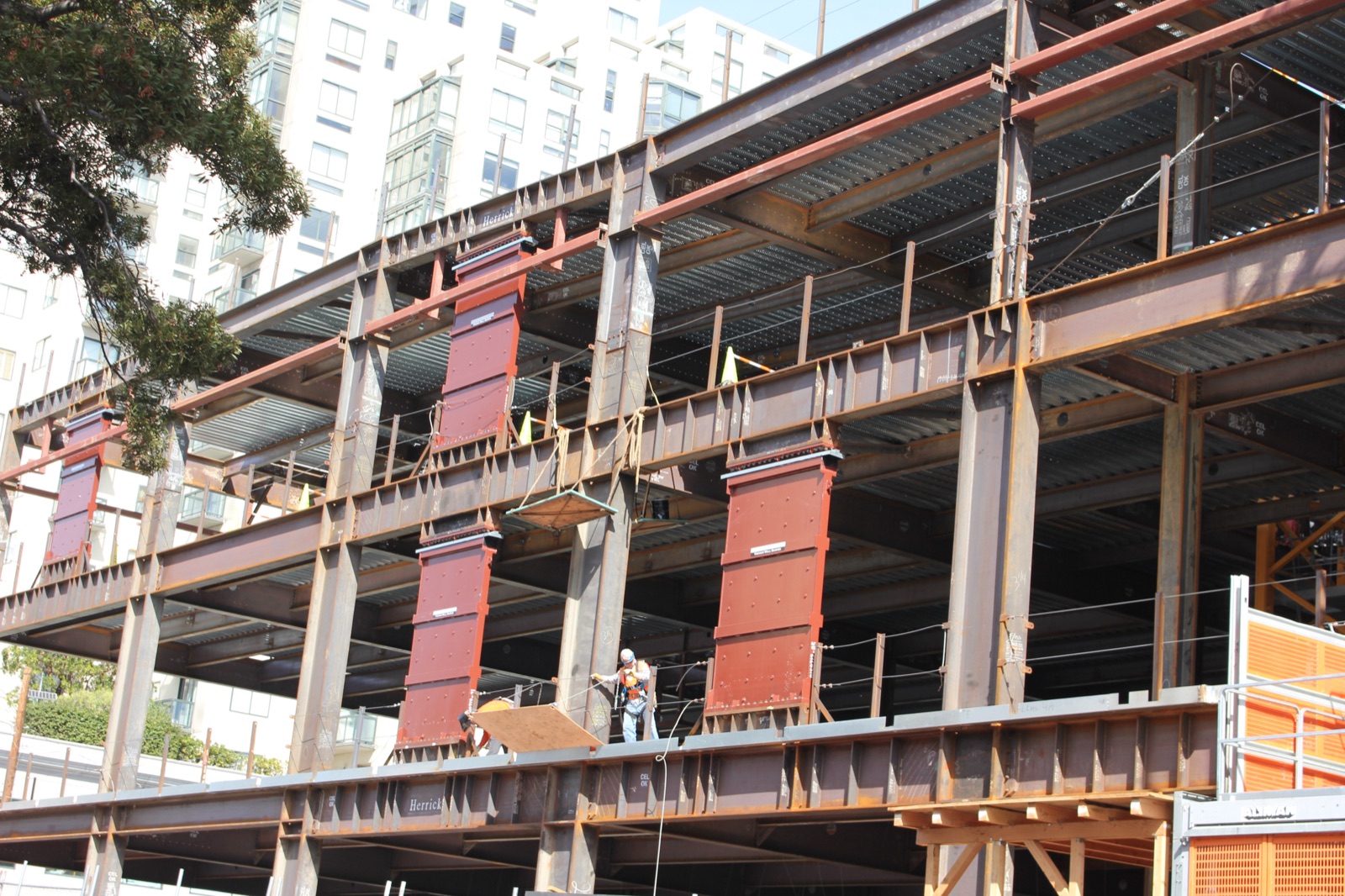
The DIS Viscous Wall Damper (VWD) has been used extensively in Japan for more than 20 years in more than 100 projects. DIS is licensed to provide this technology in the United States, the first U.S. wall damper project is a hospital in San Francisco.
Each VWD consists of a narrow steel tank connected to the lower floor, an inner steel plate (vane) connected to the upper floor, and a viscous fluid in the small gap between them. Relative floor movement causes the vane to move through the viscous fluid. The damping force from shearing depends on the displacement and velocity of the relative motion.
Wall dampers reduce seismic accelerations and inter-story drift by over 50% and also reduce wind-induced vibration. Double-vane configurations give twice the damping force with only a small plan-size increase. The fluid is non-toxic, odorless, transparent, with 90,000 poise viscosity. Dampers fit typical openings: widths of 6'–20' and heights of 6'–14'.
Why VWDs over diagonal bracing
Wall dampers fit cleanly into rectangular openings, giving architects more freedom than diagonal braces or dampers. They're easier to install in retrofits and avoid strengthening beam-column joints.
Maintenance
No seals, no pressure under everyday conditions. The fluid is sealed in a passive tank. No leakage, no seal replacement, no periodic service.
Qualification
OSHPD-reviewed prototype tests at UCSD's SRMD facility include over 100 seismic-displacement cycles plus a 2,000-cycle wind test per ASCE 7-05. Performance is stable across the full range.
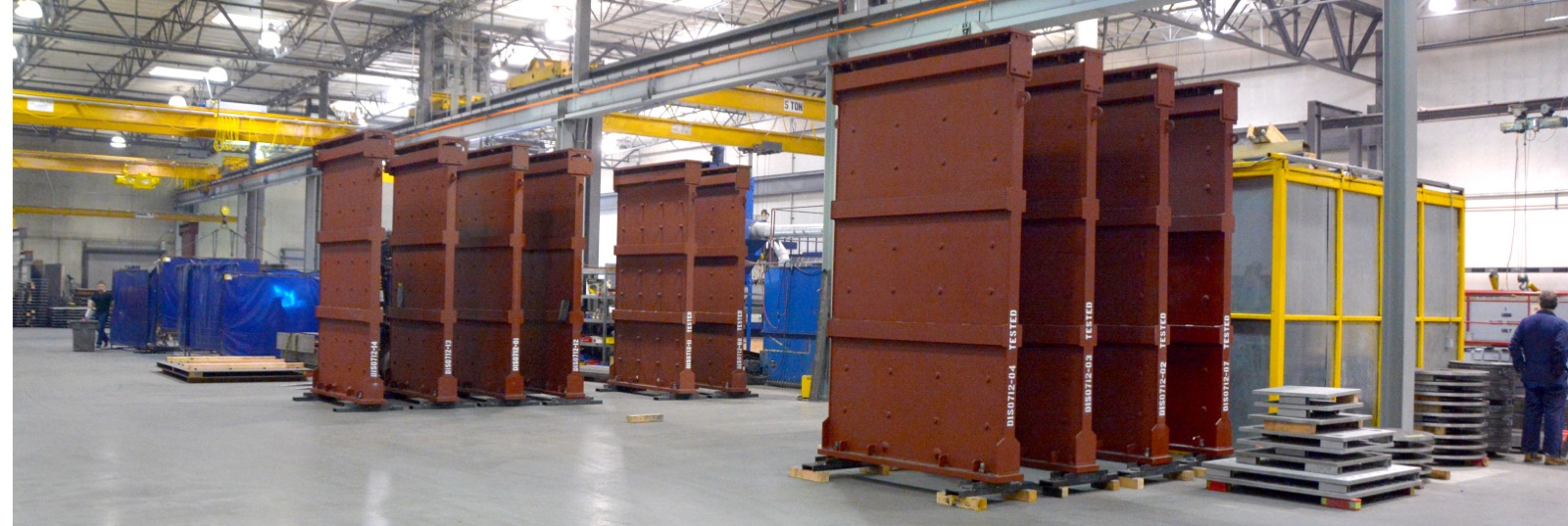
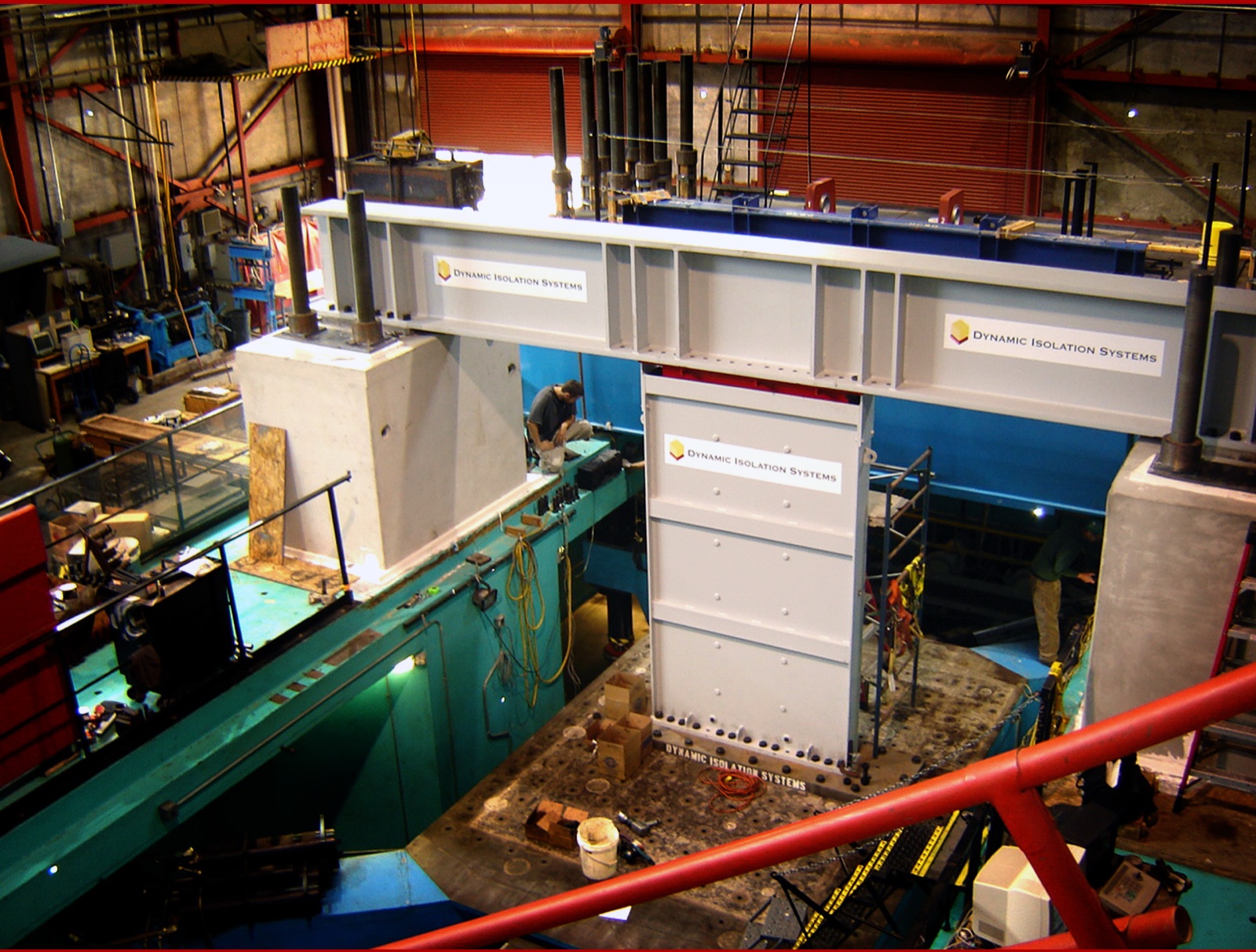
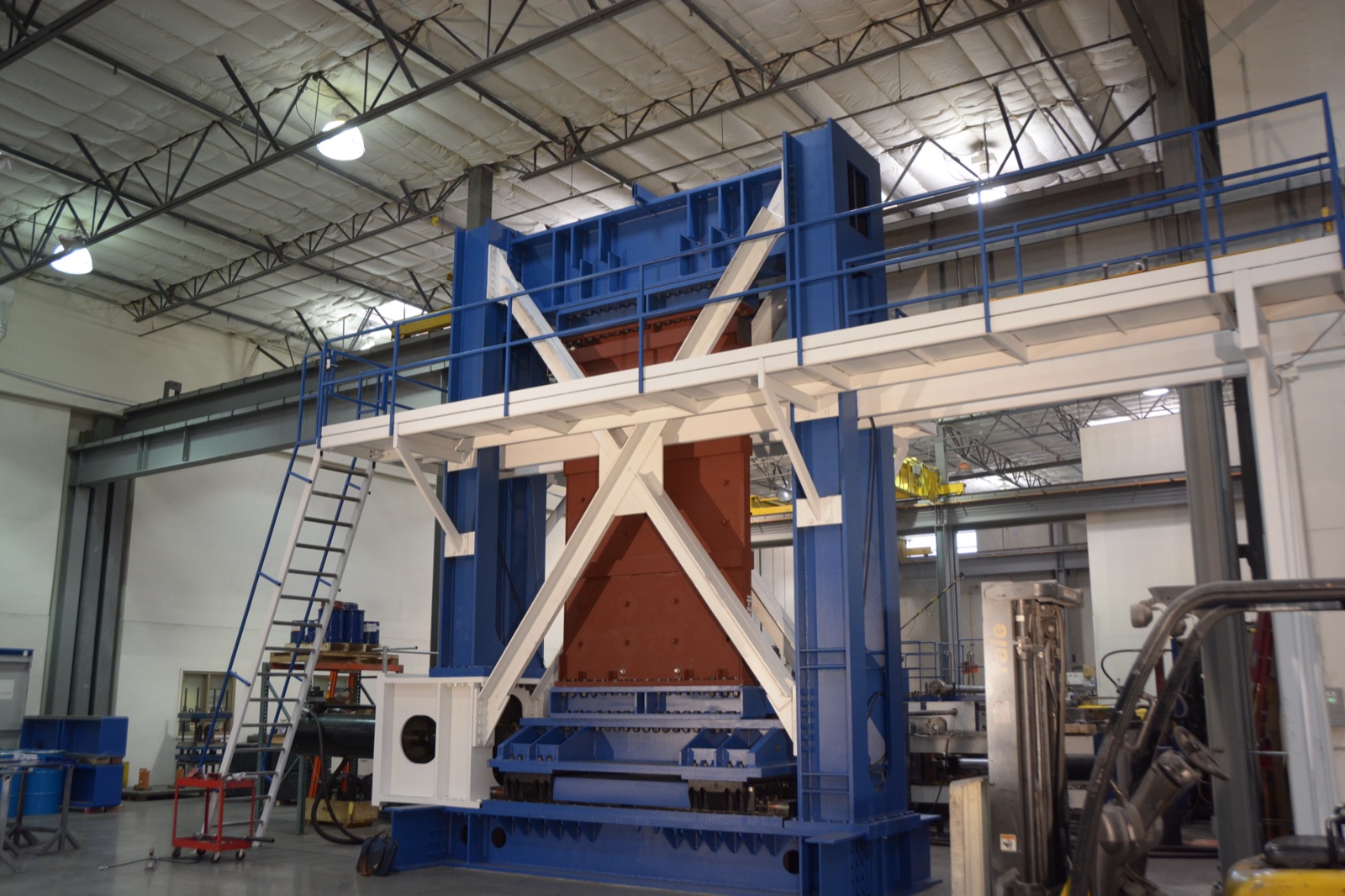
Viscous wall dampers staged in the shop
Other products
Base Isolators
Laminated rubber and steel bearings with steel flange plates. Ninety percent of our isolators feature an energy-dissipating lead core for high damping.
Sliding Isolators
A PTFE (Teflon) disc sliding on stainless steel. Used alongside LRBs to tune the response of an isolation system and handle rotations.
Non-Structural Isolation
Protects equipment and content when isolating the whole building isn't practical. 2D systems handle horizontal accelerations using spring units, sliders and rollers. 3D systems add vertical isolation, X, Y and Z, for high-spectrum equipment.
Got a project where downtime isn't an option?
Our engineers work alongside you from concept through installation. When we're brought in during the design phase, total project cost often drops by up to 30%.